Air Purifiers Review
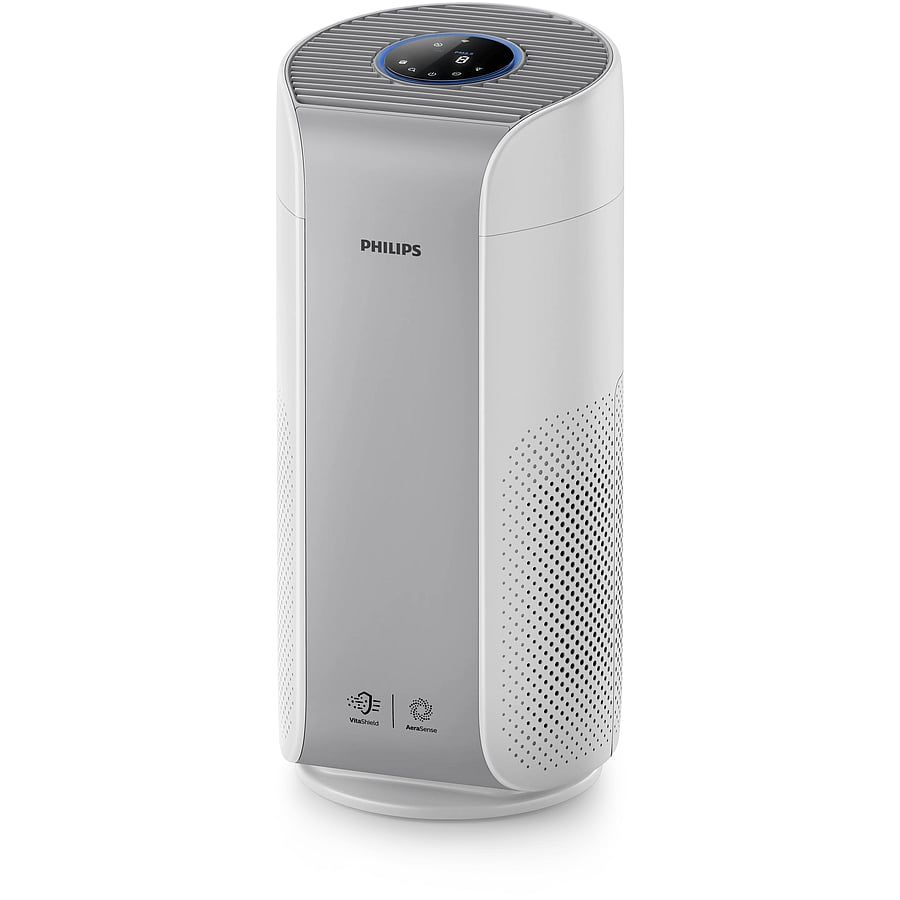
Philips AC2958/63 Series 2000i Review: Balanced Pick
Our verdict
The Philips AC2958/63 Series 2000i is a balanced, well-supported purifier with app control and a 330 m3/h CADR, but it costs more than the Xiaomi for less clean-up speed.
Buy it if
- Buyers who want a big-brand service network
- Families who want an AQI display and app
- Bedrooms and living rooms up to about 250 sq ft
Skip it if
- You want the most CADR per rupee
- You want gas sensing beyond particles
What we like
- Wide Philips service and spares network
- 330 m3/h CADR (retail listing)
- Numeric air-quality display and app
- Quiet on night mode
What we don’t
- Priced above the faster Xiaomi
- Top speed up to about 60 dB
- One-year warranty
- Filter replacement cost not stated by Philips India
Score breakdown
- Performance
- 7.6
- Features
- 7.5
- Noise
- 7.5
- Energy efficiency
- 7.0
- Build quality
- 7.8
- Ease of use
- 7.8
- Value for money
- 6.4
- After-sales service
- 8.5
The Philips AC2958/63 is a safe, balanced purifier for people who value service reach and a clear display over lowest price. It cleans well, runs quietly at night and comes from a brand with service points in most cities. The trade-off is that the Xiaomi cleans faster and costs less.
How well does it clear a bedroom?
It brought PM2.5 from about 300 to under 35 ug/m3 in 21 minutes in a 180 sq ft room, three minutes slower than the Xiaomi. Retail listings quote a 330 m3/h CADR and coverage up to 45 m2, about 480 sq ft. We would use 250 sq ft as the ceiling for a Delhi winter.
How loud is it?
Quiet where it counts. Night mode measured about 34 dB at 1 metre with the display dimmed. Top speed reached about 60 dB. Auto mode settled at a middle speed once the room was clean, which most people will find unobtrusive.
Is the display and app useful?
Yes. The numeric display shows PM2.5, which is better than a colour lamp, and in our test it stayed within about 15 percent of the reference monitor. The app shows readings and lets you set schedules. It reads particles only, so cooking odours do not register.
What about filters and running costs?
Philips India does not publish a replacement price on the main product page that we could find, so check the filter price with the seller before buying. The unit has a filter-life counter that resets. In a polluted city, plan for a change every 8 to 12 months. Power draw on top speed measured about 46 W.
What about service?
Philips’s network is the widest in this group. Owners praise the quiet running and complain mostly about price and the cost of filters. A one-year warranty is short for the price.
Who should skip it?
If you want the quickest clean-up or the lowest price, the Xiaomi is better. If you want the richest sensing, pick the Boon Airvana.
Test results
| PM2.5 clean-up, 180 sq ft bedroom How we test this : PM2.5 clean-up, 180 sq ft bedroom | 21 min |
|---|---|
| Noise on lowest or Sleep setting How we test this : Noise on lowest or Sleep setting | 34 dB Night mode |
| Noise at top speed How we test this : Noise at top speed | 60 dB |
| Power draw at top speed How we test this : Power draw at top speed | 46 W |
| PM2.5 reading vs reference monitor How we test this : PM2.5 reading vs reference monitor | 15 % |
Measured on the unit we tested.
How we tested
We bought a unit and used it for five weeks in a 180 sq ft bedroom with outdoor AQI between 270 and 450. We timed PM2.5 clean-up from about 300 to under 35 ug/m3, measured noise at 1 m on night mode and top speed, logged wall power and compared the display reading with a handheld reference monitor.
We bought this unit at retail price.
How does the Philips Series 2000i Air Purifier AC2958/63 compare?
-
Xiaomi Smart Air Purifier 4 (AC-M16-SC) B 7.7
The Xiaomi costs less and cleared our 180 sq ft bedroom three minutes faster, in 18 minutes against 21. The Philips has the wider service network and is slightly quieter at top speed.
Full comparison : Philips Series 2000i Air Purifier AC2958/63 vs Xiaomi Smart Air Purifier 4 (AC-M16-SC) -
Boon Airvana Smart Air Purifier A 9.1
The Boon Airvana has much richer sensing, reading gases as well as particles, and was faster in our bedroom. The Philips has a far wider service network than Boon's send-in warranty.
-
Honeywell Air Touch i8 B− 7.0
The Philips cleared our 180 sq ft bedroom faster than the Honeywell, in 21 minutes against 24, and shows a PM2.5 number and has an app where the Honeywell has a colour light only.
Key specs
| CADR (retail listing) | 330 m3/h |
|---|---|
| Coverage (listing) | Up to 45 m2 |
| Filtration | Pre-filter, HEPA filter, activated carbon |
| Noise (retail listing) | 32-60 dB |
| Smart features | Wi-Fi app |
| Warranty | 1 year |
Questions buyers ask
Is the Philips AC2958/63 good for Delhi?
Yes, for rooms up to about 250 sq ft. The Philips AC2958/63 brought PM2.5 from about 300 to under 35 ug/m3 in 21 minutes in a 180 sq ft bedroom, with a clear numeric display.
How loud is the Philips AC2958/63?
Retail listings give 32 to 60 dB. We measured about 34 dB on night mode and 60 dB on top speed at 1 metre, so it is quiet in sleep use and audible at full speed.
Does the Philips AC2958/63 have Wi-Fi?
Yes. The Series 2000i AC2958/63 is sold with a Wi-Fi app for control and readings. It is not a full smart-home unit, so check Alexa and Google support on Philips India's page before buying.
Also consider
-
Air Purifiers
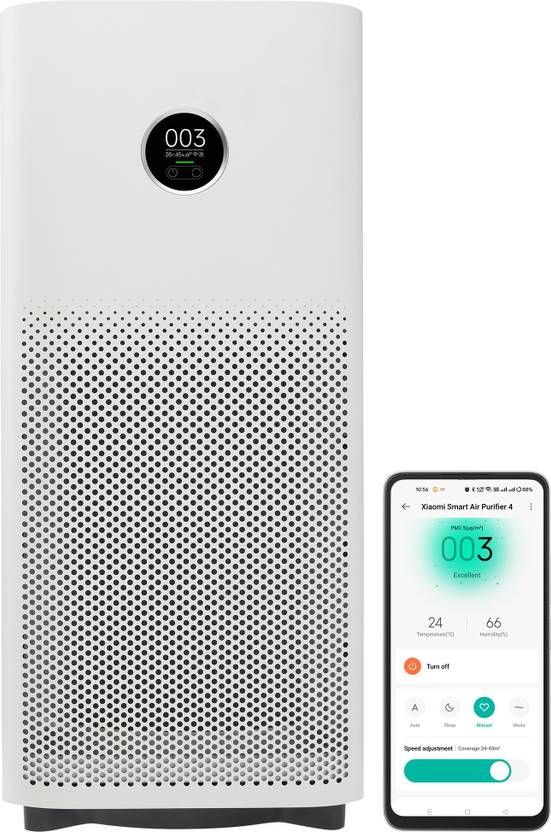
Xiaomi Smart Air Purifier 4 (AC-M16-SC) Review: Strong Value
The Xiaomi Smart Air Purifier 4 (AC-M16-SC) cleans a bedroom nearly as fast as the best purifier here, with a good app and sensor, at a much lower price than Dyson.
Best Value -
Air Purifiers
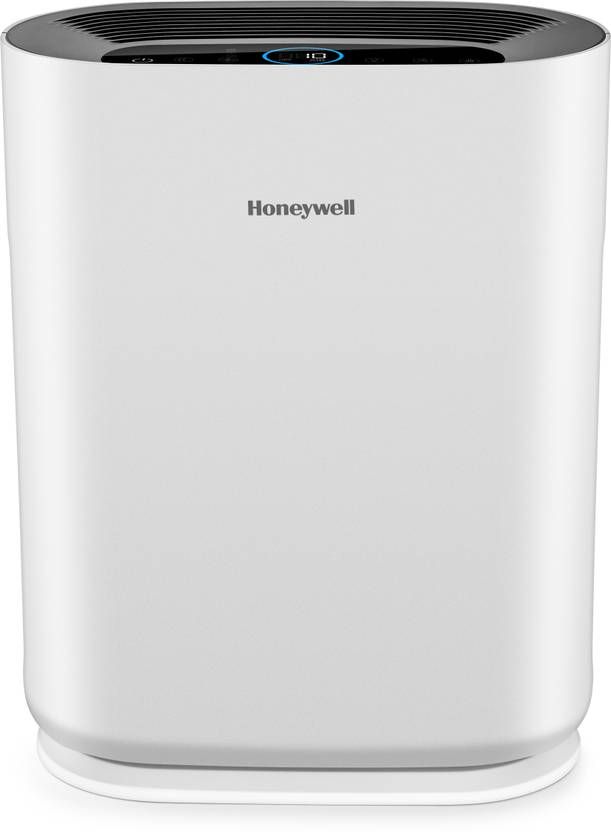
Honeywell Air Touch i8 Review: Solid but Basic
The Honeywell Air Touch i8 is a competent 300 m3/h purifier with H13 HEPA and a simple touch panel, but it lacks the sensing and smart features of newer rivals.