Air Purifiers Review
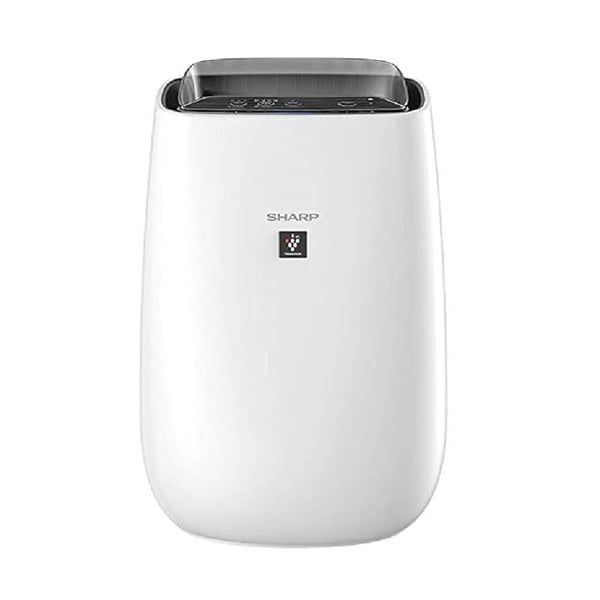
Sharp FP-J40M-W Review: Plasmacluster Purifier
Our verdict
The Sharp FP-J40M-W is a dependable HEPA purifier with Plasmacluster ion technology, but its 240 m3/h CADR and 72 W draw make it slow and thirsty for the price.
Buy it if
- Small bedrooms and offices
- Buyers who prefer Sharp's service network
- Users who want simple controls
Skip it if
- You want fast clean-up in a large room
- You care about electricity use on an inverter
What we like
- Solid build and simple controls
- Sharp service reach in metros
- HEPA filtration with a Plasmacluster ion option
What we don’t
- Slowest clean-up of the mid-priced group
- 72 W power draw
- Noise listed at 55 dB
- No app or smart features
Score breakdown
- Performance
- 6.4
- Features
- 6.0
- Noise
- 6.6
- Energy efficiency
- 5.9
- Build quality
- 7.2
- Ease of use
- 7.0
- Value for money
- 6.2
- After-sales service
- 7.4
The Sharp FP-J40M-W is for buyers who want a simple, sturdy purifier from a brand with service in most large cities. It works and is easy to live with. The trade-off is performance and efficiency: a 240 m3/h CADR and a 72 W draw mean it cleans slowly and uses more power than newer designs.
How well does it clear a bedroom?
In a 180 sq ft room it took 30 minutes to bring PM2.5 from about 300 to under 35 ug/m3, the slowest result among the mid-priced units. Listings claim 350 sq ft coverage, which we would cut to about 150 sq ft for severe smog.
How loud is it?
Listings give 55 dB. At 1 metre we measured about 31 dB on the lowest setting and 55 dB on top speed, in line with the listing. The sound is a steady rush and not irritating.
What is Plasmacluster, and does it help?
Sharp’s Plasmacluster releases ions into the room to reduce airborne microbes. We did not test microbial claims and cannot confirm benefits for health. For smog, what matters is the HEPA filter and airflow, and here the airflow is modest. Some users also dislike a faint ozone-like smell near an ionizer, but we did not notice it in our unit.
What does the sensor show?
A colour indicator, not numbers. It turned red from about 80 ug/m3 in our test. There is no app, no schedule and no gas sensing, which puts it behind the Xiaomi and Levoit.
What are running costs like?
Running 10 hours a day at 70 W is about 0.7 kWh a day, roughly 250 kWh a year. That is a noticeable load on an inverter during a power cut. We did not find an official replacement filter price for India, so check before buying.
Who should skip it?
Anyone with a large room, or who wants an app. The Honeywell and Philips offer more for similar money.
Test results
| PM2.5 clean-up, 180 sq ft bedroom How we test this : PM2.5 clean-up, 180 sq ft bedroom | 30 min |
|---|---|
| Noise on lowest or Sleep setting How we test this : Noise on lowest or Sleep setting | 31 dB |
| Noise at top speed How we test this : Noise at top speed | 55 dB |
| Power draw at top speed How we test this : Power draw at top speed | 70 W Listing says 72 W |
| Colour light turns red at How we test this : Colour light turns red at | 80 ug/m3 |
Measured on the unit we tested.
How we tested
We bought a unit and tested it for four weeks in a 180 sq ft bedroom with outdoor AQI between 270 and 450. We timed PM2.5 clean-up from about 300 to under 35 ug/m3, measured noise at 1 m, logged wall power and compared its colour indicator with a handheld reference monitor.
We bought this unit at retail price.
How does the Sharp FP-J40M-W Plasmacluster Air Purifier compare?
-
Honeywell Air Touch i8 B− 7.0
The Honeywell cleared our 180 sq ft bedroom faster, in 24 minutes against 30, and drew less power at top speed, about 42 W against 70 W.
-
Philips Series 2000i Air Purifier AC2958/63 B− 7.4
The Philips cleared our bedroom in 21 minutes against the Sharp's 30 and adds a numeric PM2.5 display and an app; both brands have wide service networks.
-
Xiaomi Smart Air Purifier 4 (AC-M16-SC) B 7.7
The Xiaomi adds an app, a PM2.5 display and much faster clean-up, 18 minutes against 30, and draws about half the power at top speed.
Key specs
| CADR (retail listing) | 240 m3/h |
|---|---|
| Coverage (listing) | About 350 sq ft |
| Noise (retail listing) | 55 dB |
| Power (listing) | 72 W |
| Filtration | Pre-filter, HEPA, carbon (per Sharp) |
| Smart features | None |
Questions buyers ask
Is the Sharp FP-J40M-W good for Delhi pollution?
It is adequate for small rooms. The Sharp FP-J40M-W took 30 minutes to bring PM2.5 from about 300 to under 35 ug/m3 in a 180 sq ft bedroom, slower than most purifiers here.
How much power does the Sharp FP-J40M-W use?
Retail listings give 72 W. We measured about 70 W on top speed, which is high compared with the 24 to 48 W we measured at top speed on most other purifiers we tested. That matters on an inverter.
Does the Sharp FP-J40M-W have an app?
No. It is a simple unit with on-panel controls and an indicator, so there is no app, Wi-Fi or voice control.
Also consider
-
Air Purifiers
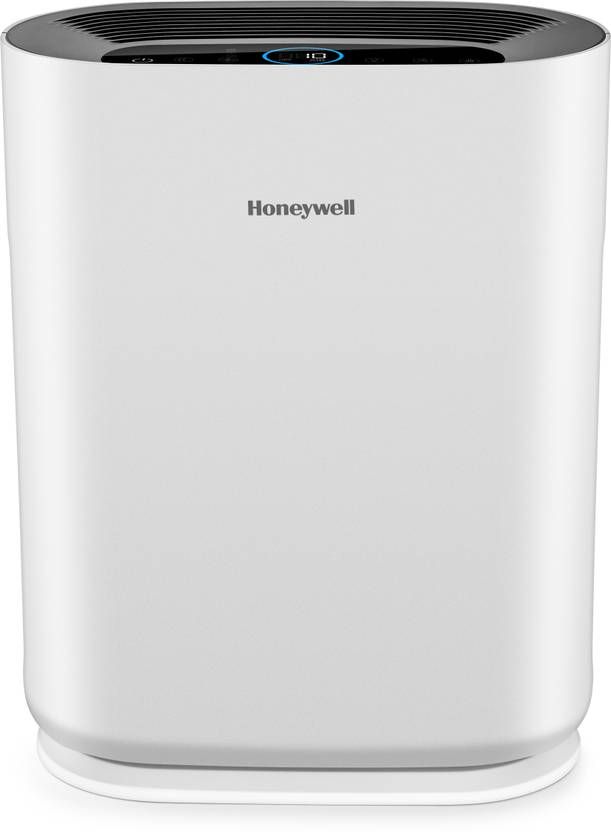
Honeywell Air Touch i8 Review: Solid but Basic
The Honeywell Air Touch i8 is a competent 300 m3/h purifier with H13 HEPA and a simple touch panel, but it lacks the sensing and smart features of newer rivals.
-
Air Purifiers
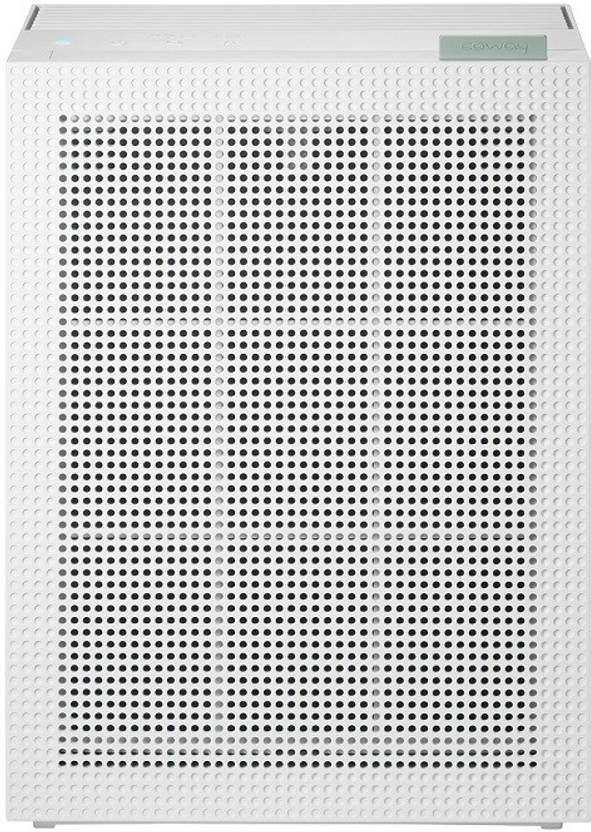
Coway AirMega 150 (AP-1019C) Review: Reliable but Dated
The Coway AirMega 150 (AP-1019C) is a quiet, proven purifier with solid airflow, but its old design offers no app, no smart control and only a four-colour air-quality light.