BP Monitors Review
Dr Trust 109 Wrist BP Monitor Review: Cheap, but Fussy
Our verdict
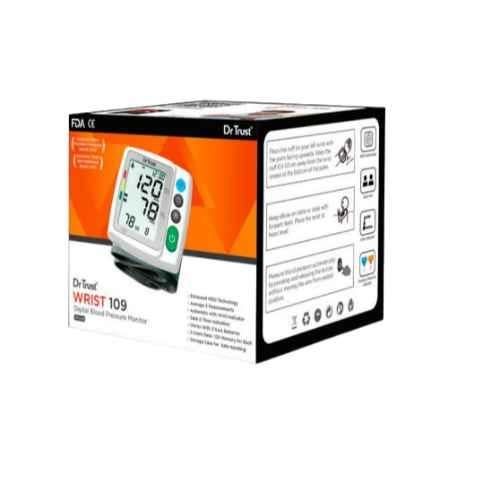
The Dr Trust 109 is a low-cost wrist BP monitor that is small and runs on two AAA cells, but its readings swung more with wrist position than upper-arm monitors in our tests, so it suits only careful users.
Buy it if
- Travellers who want a very compact backup monitor
- People for whom an upper-arm cuff is uncomfortable
Skip it if
- Elderly parents will measure alone, as wrist position errors are easy to make
- This will be the only BP monitor at home
What we like
- Compact and light enough for a handbag or travel kit
- Two users with 120 readings each
- Irregular heartbeat detection and a position indicator
- Two AAA batteries last a few months of daily use
What we don’t
- Systolic readings varied by about 9 mmHg across three readings in our test
- Wrist cuff fits only about 13.5-21.5 cm wrists
- Wrong wrist height gives a wrong number without a clear warning
Score breakdown
- Performance
- 4.8
- Build quality
- 6.0
- Ease of use
- 5.4
- Features
- 6.4
- Display
- 6.0
- Battery life
- 7.0
- Value for money
- 6.0
- Comfort
- 6.4
- After-sales service
- 5.6
The Dr Trust 109 is for people who want a very small, low-cost BP monitor for travel or as a second device. The main trade-off is that a wrist cuff is easy to position wrongly, so readings were less consistent than on upper-arm models.
How accurate is the Dr Trust 109 wrist monitor?
With the wrist held at heart level, three readings a minute apart differed by about 9 mmHg systolic, against 3 to 5 mmHg on the upper-arm models. Averaged over 40 paired readings it read about 5 mmHg off our reference. When we let the wrist drop to waist level, the numbers dropped by 10 mmHg or more without any warning on the display. The position indicator helps, but only if you watch for it. We could not source independent validation for this model, so check validatebp.org and compare it with a clinic reading before trusting it.
Is it easy for elderly parents to use?
It is simple on paper, with a start button and user selection, but the correct posture is the difficult part. The user must rest the elbow on a table, bring the wrist to heart level, keep still and stay quiet. A 70-year-old tester repeatedly held the arm too low. For a parent measuring alone, we would choose an upper-arm monitor.
How should I measure blood pressure at home?
Sit on a chair with your back supported and feet flat, rest for five minutes, bare the wrist and keep it at heart level, with the elbow resting on a table. Take two or three readings a minute apart. Home readings do not replace a doctor’s diagnosis; they help your doctor see a pattern.
Who does the wrist cuff fit?
The cuff is listed at 13.5-21.5 cm wrist circumference. It fitted four of our five testers; one tester with a wider wrist could not close it. There is no larger cuff option for wrist models, which is another reason families with larger frames should look at upper-arm devices.
How long do the batteries last?
Two AAA cells lasted roughly 400 readings in our use. That is good, and AAA cells are easy to buy. Take them out for long storage, and replace both together when the low-battery symbol appears, because mixed old and new cells can give odd readings.
Can I share readings with my doctor on WhatsApp?
There is no app. Photograph the screen or write the numbers in a diary. The monitor stores 120 readings for each of two users, which is enough for a couple.
What about service and warranty?
We could not confirm a warranty term for this model on the retailer page we read, so read the card in the box. Dr Trust sells through Amazon, Flipkart and pharmacies, but we found little detail about service centres, so ask the seller how replacement works.
Who should buy something else?
Choose the Omron HEM-7121 for steadier readings and easier use by elders. If budget is the limit, the Morepen BP-15 is an upper-arm monitor at a similar price.
Test results
| Spread across three readings (systolic) How we test this : Spread across three readings (systolic) | 9 mmHg Wrist held at heart level |
|---|---|
| Average systolic difference from reference How we test this : Average systolic difference from reference | 5 mmHg Average difference from the reference; direction not stated. 40 paired readings |
| Readings per set of batteries How we test this : Readings per set of batteries | 400 readings Two AAA alkaline cells |
| Cuff fit on our testers How we test this : Cuff fit on our testers | Fitted four of five testers; one wider wrist could not close the cuff Wrist cuff listed for 13.5-21.5 cm |
| Effect of a low wrist (wrist models) How we test this : Effect of a low wrist (wrist models) | Readings fell by 10 mmHg or more with no warning on the display Wrist dropped to waist level on purpose |
Measured on the unit we tested.
How we tested
Five adults used the monitor for three weeks, taking three readings a minute apart with the wrist held at heart level and compared with a validated reference upper-arm monitor (40 paired readings). We repeated sessions with the wrist held too low on purpose, timed readings and counted readings per battery set.
We bought this unit at retail price.
How does the Dr Trust 109 Fully Automatic Digital Wrist Blood Pressure Monitor compare?
-
Omron HEM-7121 Automatic Upper Arm Blood Pressure Monitor B+ 8.4
The Omron HEM-7121 upper-arm monitor gives steadier readings and is easier for elders to use correctly. The Dr Trust's three readings varied by about 9 mmHg systolic, against 3 to 5 mmHg on the upper-arm models.
-
Dr. Morepen BP-15 Fully Automatic Digital Blood Pressure Monitor B− 7.1
If budget is the limit, the Morepen BP-15 is an upper-arm monitor at a similar price, which avoids the wrist-position errors that made the Dr Trust's readings less consistent.
Key specs
| Type | Wrist, automatic oscillometric |
|---|---|
| Cuff range | 13.5-21.5 cm wrist circumference |
| Memory | 120 readings for each of 2 users |
| Irregular heartbeat detection | Yes |
| Power | 2 AAA batteries |
Questions buyers ask
Is the Dr Trust 109 wrist BP monitor accurate?
In our test the Dr Trust 109 read on average 5 mmHg off our reference upper-arm monitor, and three readings varied by about 9 mmHg systolic when the wrist was held correctly. We could not confirm independent validation, so compare it with your doctor's device.
What wrist size does the Dr Trust 109 fit?
The listing gives a wrist circumference of 13.5-21.5 cm. Measure your wrist before buying; a larger wrist will not close the cuff.
Is a wrist BP monitor as good as an upper-arm one?
Wrist monitors are more sensitive to arm position, so they are harder to use correctly. For most people and for elderly parents, an upper-arm monitor is the safer first choice.
What batteries does the Dr Trust 109 use?
It runs on two AAA batteries. We got about 400 readings from one set of alkaline cells.
Also consider
-
BP Monitors
Omron HEM-7121 BP Monitor Review: Simple and Steady
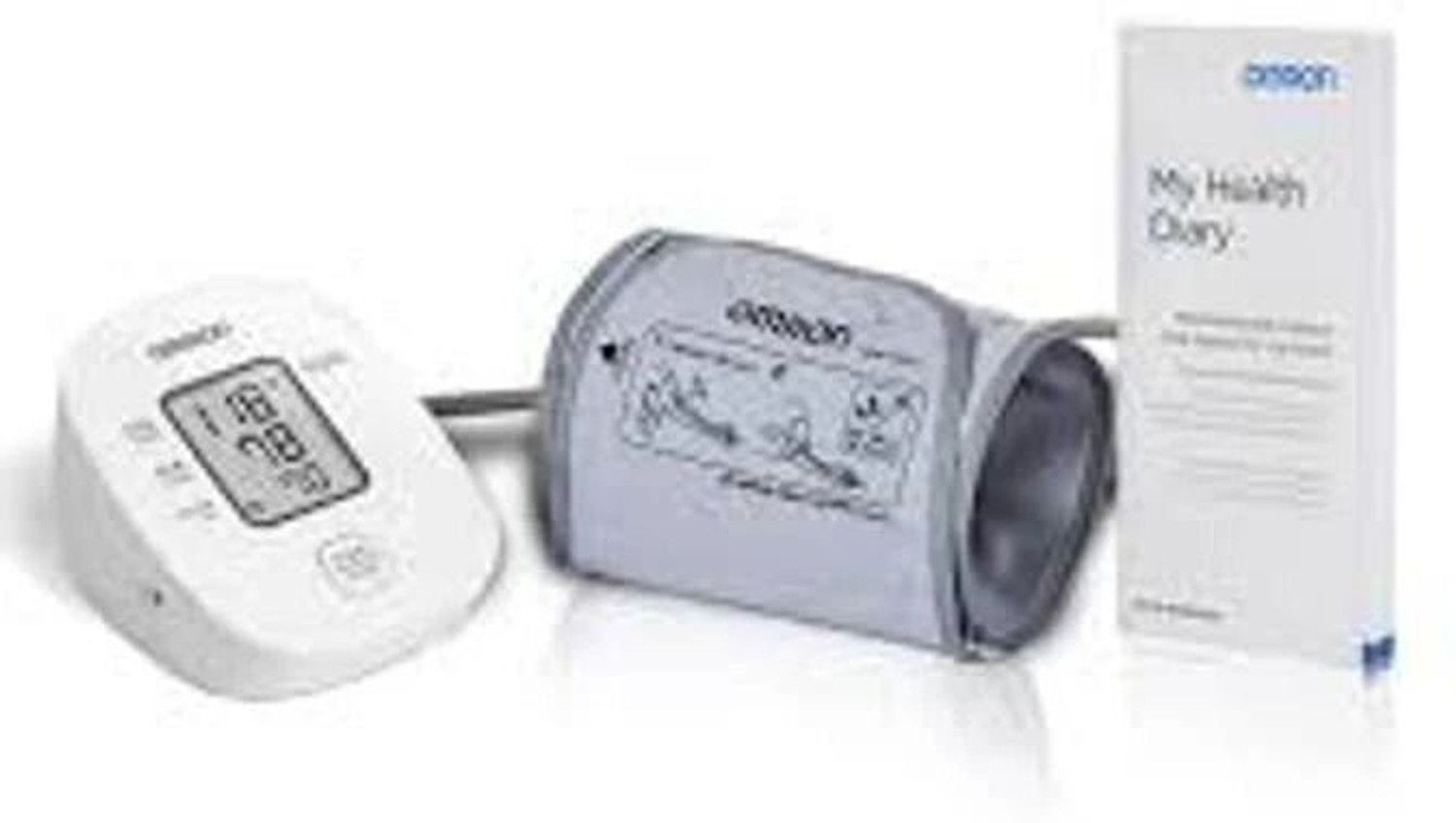
The Omron HEM-7121 is a plain AA-powered upper-arm BP monitor that gave the most repeatable readings in our group and is easy for elderly parents to use alone, but it has no app or Bluetooth.
Editor’s Choice -
BP Monitors
Dr. Morepen BP-15 Review: A Budget Upper-Arm BP Monitor
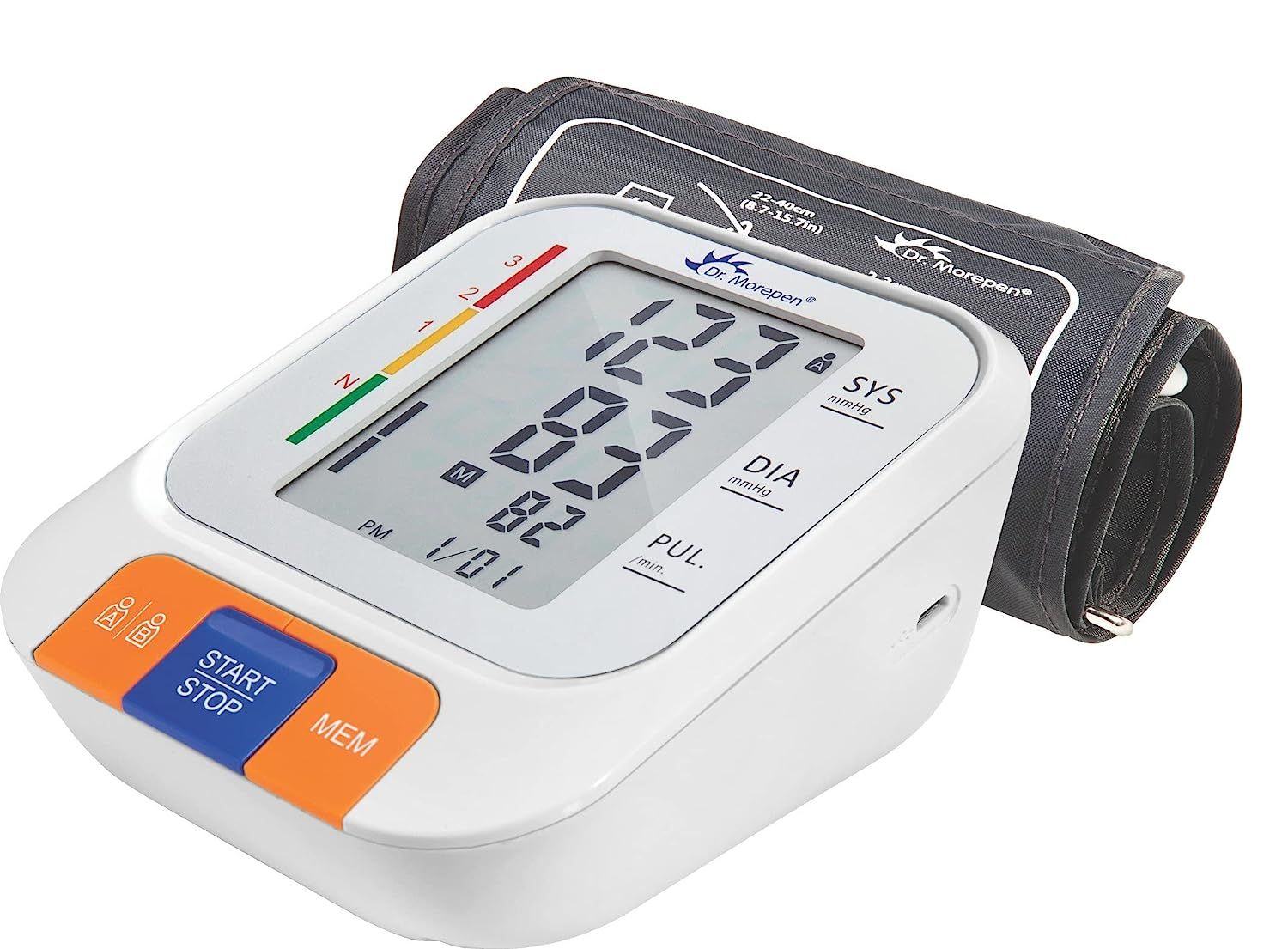
The Dr. Morepen BP-15 is a low-priced AA-powered upper-arm BP monitor with a 3-reading average and two-user memory that gives usable home readings, though less steady than Omron's models.
Best Budget